Cancer is a group of diseases characterized by abnormal cell growth that can invade or spread to other parts of the body. It is caused by genetic mutations that disrupt normal cell division and death, leading to uncontrolled proliferation of malignant cells. The Calcium, Ionized, Serum test is the most important test for monitoring cancer complications because it detects hypercalcemia, a common metabolic emergency in breast and lung cancer patients.
90-day money-back guaranteeLab order in minutesSave a trip to the doctorLow prices since 2005Labs within 2 miles
What causes cancer?
Cancer is caused by genetic mutations that damage DNA and disrupt the normal processes that control cell growth, division, and death. These mutations can be inherited from parents, triggered by environmental exposures like tobacco smoke, radiation, and certain chemicals, or develop spontaneously during cell division. Specific carcinogens like benzene, asbestos, human papillomavirus (HPV), hepatitis B and C viruses, and Helicobacter pylori bacteria can directly damage cellular DNA and initiate cancer development.
What is the best test for monitoring cancer?
The Calcium, Ionized, Serum test is the most important blood test for cancer monitoring because it detects hypercalcemia, a potentially life-threatening complication that occurs in 10-30% of cancer patients, especially those with breast cancer, lung cancer, and multiple myeloma. The Ferritin, Serum test is essential for monitoring leukemia and Hodgkin's lymphoma since elevated ferritin levels indicate increased iron storage that fuels cancer cell growth and proliferation. The Creatinine, Serum test is critical for patients with kidney or prostate cancer to assess kidney function and detect renal impairment early. Together, these tests help healthcare providers monitor metabolic complications, organ function, and treatment effects rather than diagnosing cancer itself.
When should I get tested for cancer complications?
You should get tested if you have been diagnosed with cancer and need to monitor for metabolic complications like high calcium levels, kidney dysfunction, or iron storage abnormalities. Testing is particularly important if you experience symptoms like excessive thirst, frequent urination, confusion, bone pain, fatigue, or decreased urine output, which may indicate hypercalcemia or kidney problems. You should also get regular blood work if you are undergoing cancer treatment to track how your body is responding and to detect potential side effects early.
What are the symptoms of cancer?
Cancer symptoms vary widely depending on the type and location of the malignancy, but common signs include unexplained weight loss, persistent fatigue, fever, pain that doesn't go away, and changes in skin appearance. You might notice lumps or thickening under the skin, changes in bowel or bladder habits, persistent cough or hoarseness, difficulty swallowing, or unusual bleeding or discharge. Other warning signs include sores that don't heal, white patches inside the mouth, unexplained night sweats, and persistent indigestion or discomfort after eating. Many cancers develop silently in early stages, which is why regular screening is important for high-risk individuals.
Who is at risk for cancer?
Cancer risk increases with age, with most cancers developing in people over 50 years old as genetic mutations accumulate over time. People with family history of certain cancers, especially breast, ovarian, colon, and prostate cancer, have higher genetic susceptibility due to inherited mutations like BRCA1 and BRCA2. Lifestyle factors significantly increase risk, including tobacco use, excessive alcohol consumption, obesity, poor diet, physical inactivity, and unprotected sun exposure. Occupational exposure to carcinogens like asbestos, benzene, and radiation, chronic infections with HPV, hepatitis B or C, or H. pylori, and immunosuppression from HIV or transplant medications also elevate cancer risk.
What happens if cancer is left untreated?
Untreated cancer typically continues to grow and spread (metastasize) to other organs and tissues throughout the body, making treatment increasingly difficult and reducing survival chances dramatically. As cancer progresses, it can cause life-threatening complications including organ failure, severe pain, bleeding, blood clots, hypercalcemia leading to kidney failure and cardiac arrest, and cachexia (severe weight loss and muscle wasting). Metastatic cancer can obstruct vital structures like airways, blood vessels, and digestive tract, leading to respiratory failure, stroke, or bowel obstruction. Without treatment, most cancers eventually become fatal, with death occurring from organ failure, infection, or metabolic collapse.
Can cancer be diagnosed with a blood test?
Blood tests alone cannot definitively diagnose cancer, but they play an important supporting role in cancer detection, monitoring, and management. Certain blood tests can detect tumor markers like PSA for prostate cancer, CA-125 for ovarian cancer, and CEA for colorectal cancer, though these markers can be elevated in non-cancerous conditions too. Complete blood counts can reveal abnormalities like anemia, high white blood cell counts in leukemia, or low platelet counts that suggest bone marrow involvement. Cancer diagnosis typically requires imaging studies like CT scans, MRIs, and PET scans, along with tissue biopsies that provide definitive confirmation through microscopic examination of cells.
How is cancer treated?
Cancer treatment depends on the type, stage, location, and individual patient factors, with most treatment plans combining multiple approaches for best results. Surgery is used to remove localized tumors and affected tissue, while radiation therapy uses high-energy beams to kill cancer cells or shrink tumors before surgery. Chemotherapy employs powerful drugs that target rapidly dividing cells throughout the body, and immunotherapy harnesses the immune system to recognize and attack cancer cells. Targeted therapy uses drugs that specifically attack cancer cells with particular genetic mutations, hormone therapy blocks hormones that fuel certain cancers like breast and prostate cancer, and stem cell transplantation replaces diseased bone marrow in blood cancers like leukemia and lymphoma.
How can I prevent cancer?
You can significantly reduce cancer risk by avoiding tobacco in all forms, which is responsible for about 30% of all cancer deaths, and limiting alcohol consumption to no more than one drink daily for women and two for men. Maintain a healthy weight through balanced diet rich in fruits, vegetables, whole grains, and lean proteins while limiting processed meats, red meat, and sugary foods. Protect your skin from UV radiation by using sunscreen with SPF 30 or higher, wearing protective clothing, and avoiding tanning beds. Get recommended cancer screenings like mammograms, colonoscopies, Pap tests, and low-dose CT scans for lung cancer if you are a current or former smoker. Vaccinations against HPV and hepatitis B prevent infection-related cancers, and regular physical activity of at least 150 minutes of moderate exercise weekly helps maintain healthy body weight and reduces cancer risk.
What can I do at home to support cancer treatment?
Focus on nutrition by eating small, frequent meals with high-protein foods like eggs, Greek yogurt, lean meats, and legumes to maintain strength and support healing during treatment. Stay hydrated by drinking at least 8-10 glasses of water daily to help flush toxins, prevent dehydration from chemotherapy side effects, and support kidney function. Manage treatment side effects with ginger tea or acupressure wristbands for nausea, gentle exercise like walking or yoga to combat fatigue, and meditation or deep breathing exercises to reduce anxiety and improve sleep quality. Create a support system by joining cancer support groups, staying connected with loved ones, and openly communicating with your healthcare team about symptoms and concerns. Rest adequately, prioritize sleep hygiene, and listen to your body's signals to avoid overexertion while maintaining as much normal activity as possible.
How’s this work?
Getting your blood test with us is easy, private & backed by the power of science.
Long story short:
In the test options, use the filters or search box to narrow your choices and find the test you want.
If you need a hand navigating through options, text our super friendly support team at 754-799-7833, and we'll provide tailored suggestions to help you find the ideal test.
Once your order is placed, we’ll create your doctor’s lab order remotely, without any need for you to make a trip to a doctor in person or to talk to the doctor. Expect to receive your doctor’s lab order right in your inbox. It will also be in your patient portal if you need to find it later. We’ll also include instructions regarding fasting and other requirements for your test. Your patient portal will be auto-created hassle-free during checkout.
If this is your first time ordering, you'll be prompted to create a password for instant login access to your patient portal. It's a quick way to conveniently access your orders and results whenever you want.
When you’re ready, visit one of our 4,000 locations. Just bring your ID – no printing or faxing of your lab order is needed, as your order and details will already be in the lab system.
Note that most lab locations don’t accept walk-ins, so it’s best to book an appointment in advance. Don’t worry – we’ll provide detailed instructions along the way.
You’ll get your results via email & SMS and dive into understanding your body better. Yup, that easy!
If you have any questions, please text us at 754-799-7833 or email support@privatemdlabs.com and we'll gladly help you.
How do I know which test to get?
In the test options, find the test you want.
If you’re not sure which test to get, we can lend a hand in finding the right option.
Just text or call us at 754-799-7833, email us at support@privatemdlabs.com, and we'll gladly help you. We've got your back and reply quickly.
Is it possible to make changes to my lab order if I made a mistake with the name, date of birth, or any other details?
Absolutely! We totally understand that errors can happen. No worries, we're here to help you.
Just reach out to us via text at 754-799-7833 or shoot us an email at
support@privatemdlabs.com. Remember to include your order number and let us know the correct information you’d like to update.
Our awesome team will jump right in and make sure everything is sorted out and accurate for you.
There are no changes necessary if your address is wrong on the requisition though. We don’t mail anything out.
Our lab requires an address to be listed to generate an order.
Do you accept health insurance?
Only HSA & FSA is accepted.
Our services are strictly self-pay and cannot be submitted to your health insurance provider except for Health Savings Accounts or Flexible Savings Accounts.
This policy applies to all insurance companies, including federal health insurance programs like Medicare.
You can read more about our cancellation policy here.
How can I find a lab location near me?
During the ordering process, you’ll be able to select a specific lab near you, with no strings attached!
You can switch it up later easily and visit any of our authorized locations as long as it’s the same lab company you selected your test for (Quest Diagnostics or Labcorp).
Before you proceed with your order, feel free to browse through all our lab locations here. This will give you the peace of mind of knowing that there's a lab nearby your home, office or your favorite gym.
Here’s how easy it is to get blood work done on your terms
Order your testSave a trip to the doctor. Your results will come with clear, friendly explanations.Takes 2 minutes
Book an appointmentVisit any of our 4,000 nearby lab locations to have your samples collected.Book or walk-in
Get resultsReceive a clear, easy-to-digest health report by email & SMS within a few business days.Get answers, fast
Here’s why 1,000,000+ customers chose us for affordable hassle-free private blood testing.
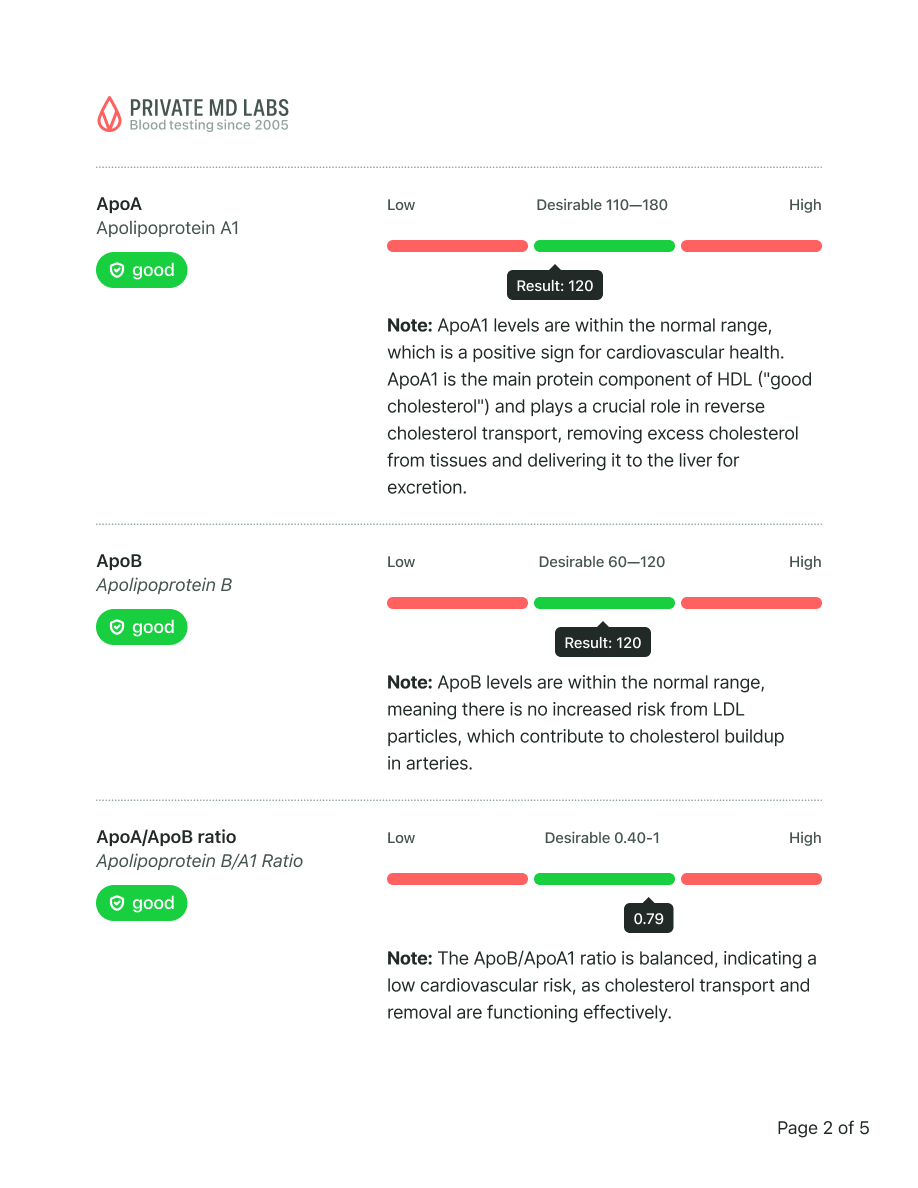
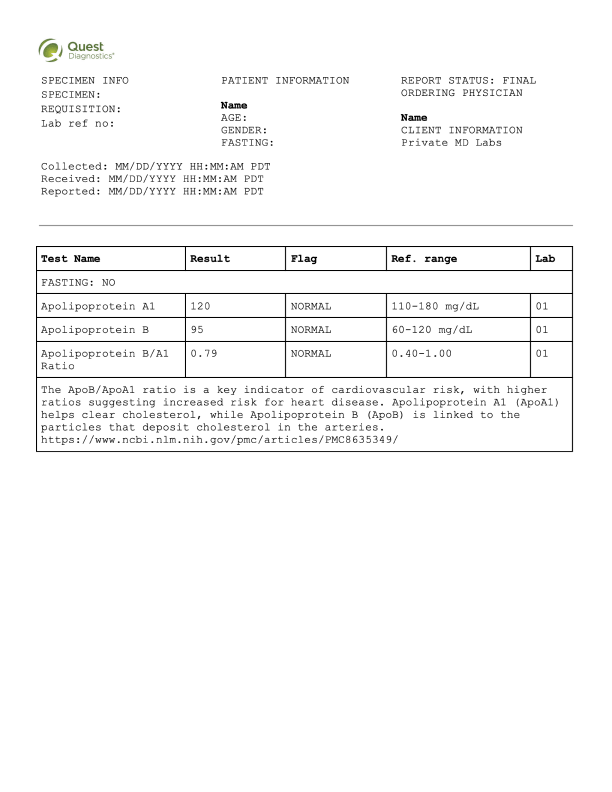
You get clinical lab reports & simplified health insights.
Save time & gas, go straight to the lab. Our doctors cover the rest.
Results start landing the next day after your lab visit.*
We don’t sell or share your data. Your time & privacy matter.
US-licensed doctors have your back if things get unclear.
No hidden fees, nice discounts for regular checkups.
Save a trip to the doctor, go directly to the lab
Instant orders, results often overnight*
Results explained in simple language
Reviewed by US licensed doctors
Fast & confidential, we never sell or share your data
No insurance needed, transparent pricing
Demo results
Testosterone375 ng/dL
Demo results
NormalOptimal 400 - 1000High
375 ng/dL
What this means
Your testosterone levels are slightly below the optimal range. While this is not necessarily cause for concern, it may contribute to occasional fatigue, reduced motivation, or lower muscle mass over time.
Recommended actions
Increase resistance or strength training
Prioritize 7–8 hours of quality sleep per night, try to reduce stress
Include more zinc- and magnesium-rich foods (like shellfish, beef, pumpkin seeds, spinach)
Consider retesting in 3–6 months
* Regular blood test results (e.g., CBC) typically start arriving the next business day after sample collection. More complex tests, such as hormone panels, may take up to 10–15 business days due to their complexity.
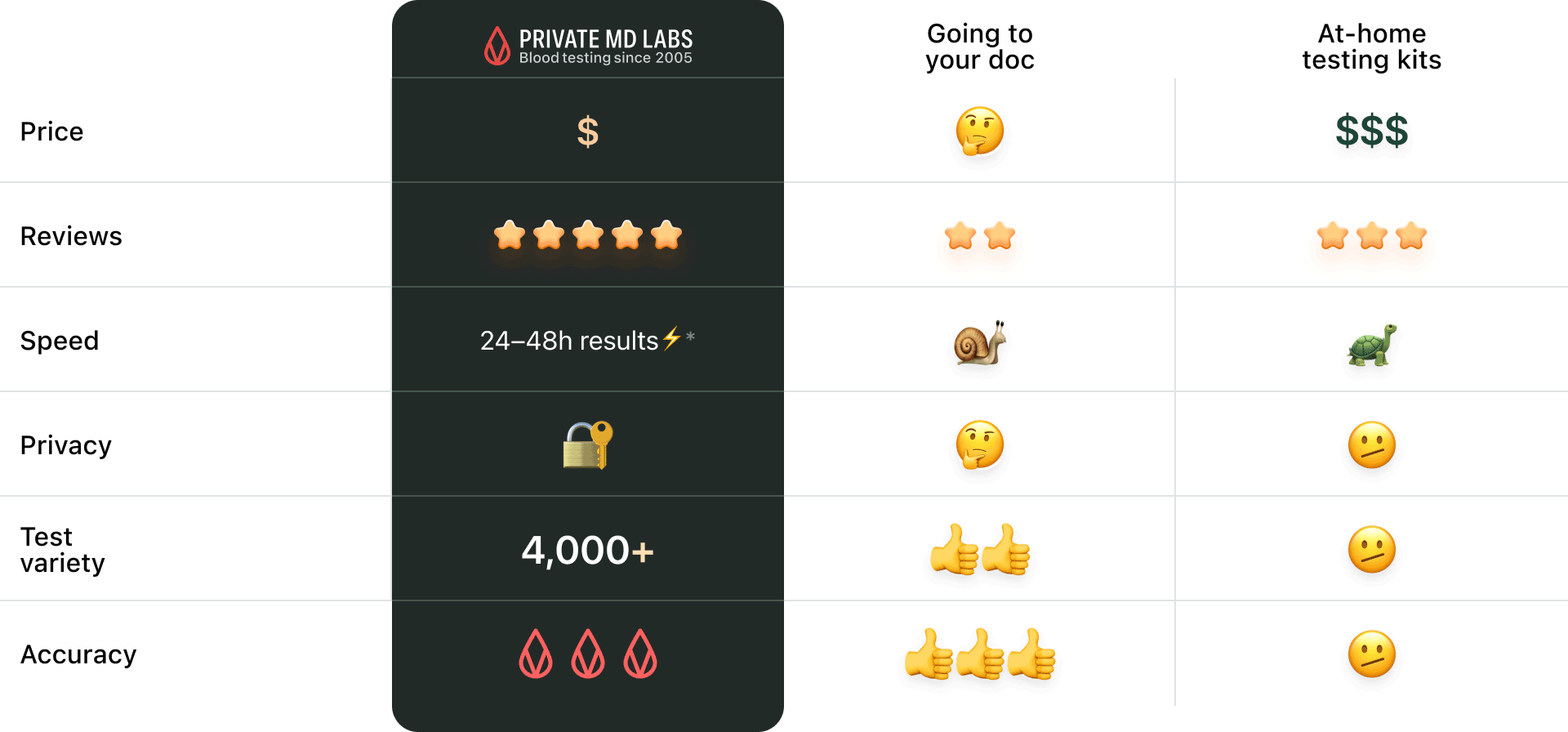
Us vs. Them
Not overhyped or overpriced. Just comprehensive blood testing made simple and for everyone.
* Regular blood test results (e.g., CBC) typically start arriving the next business day after sample collection. More complex tests, such as hormone panels, may take up to 10–15 business days due to their complexity.
1,000,000+ blood tests later, here's what our customers say
Estradiol Ultrasensitive results may get delayed due to high lab volume.It’s a nationwide delay affecting all labs (not just us). Standard processing times apply to all other tests in this panel.
Lipoprotein extended turnaround
Lipoprotein Fractionation, Ion Mobility results may get delayed due to high lab volume.It’s a nationwide delay affecting all labs (not just us). Standard processing times apply to all other tests in this panel.
Pregnenolone extended turnaround
Pregnenolone results may get delayed due to high lab volume.It’s a nationwide delay affecting all labs (not just us). Standard processing times apply to all other tests in this panel.



 90-day money-back guarantee
 Lab order in minutes
 Save a trip to the doctor
 Low prices since 2005
 Labs within 2 miles