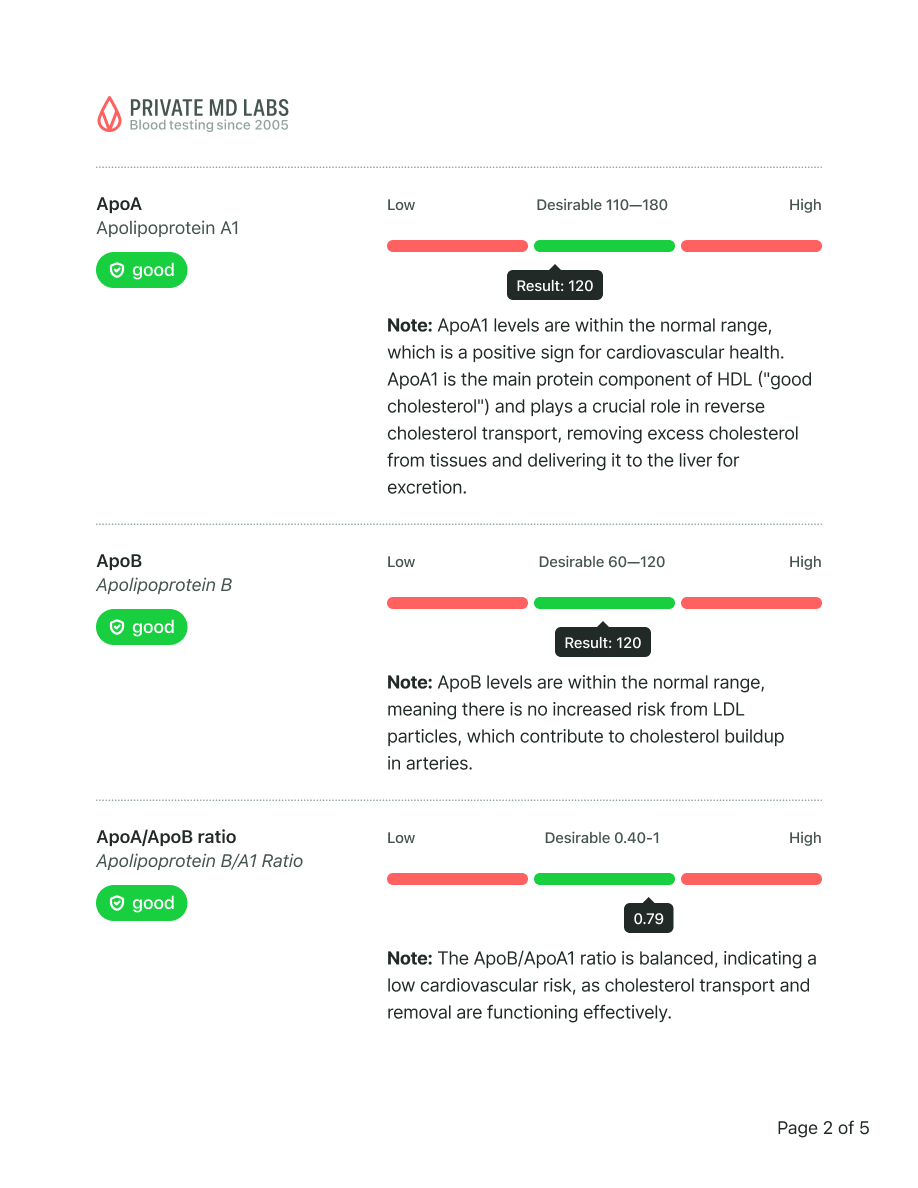
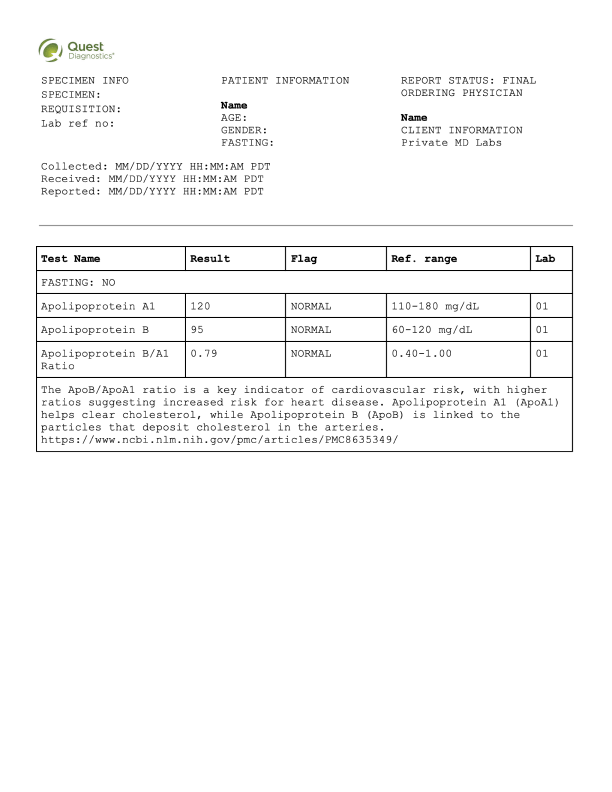
Sample results
Bulimia nervosa is an eating disorder characterized by cycles of binge eating followed by purging behaviors such as vomiting, laxative abuse, or excessive exercise. It is caused by a combination of psychological, biological, and environmental factors that lead to unhealthy compensatory behaviors. The Potassium Serum test is the most important test for bulimia because it detects dangerous electrolyte imbalances caused by frequent vomiting.
Bulimia is caused by a complex interaction of psychological factors, genetic predisposition, and societal pressures regarding body image and weight. People with bulimia often struggle with low self-esteem, perfectionism, anxiety, or depression that triggers cycles of binge eating followed by purging. Environmental factors like cultural emphasis on thinness, trauma, or family dynamics can also contribute to the development of this eating disorder.
The Potassium Serum test is the most important test for bulimia because it detects dangerous electrolyte imbalances that result from frequent purging behaviors. Low potassium levels can lead to life-threatening heart arrhythmias and muscle weakness. This test measures the exact amount of potassium in your blood, which is crucial for proper heart and muscle function. While bulimia itself is diagnosed through clinical and psychological evaluation, regular potassium monitoring is essential for preventing serious cardiac complications and guiding appropriate electrolyte replacement therapy.
You should get tested if you engage in frequent purging behaviors such as vomiting, laxative abuse, or diuretic use more than once per week. Testing is especially important if you experience symptoms like irregular heartbeat, muscle weakness, fatigue, dizziness, or tingling sensations, which can indicate electrolyte imbalances. Regular monitoring every few weeks or months is recommended for anyone actively struggling with bulimia to catch dangerous complications early before they become life-threatening.
What this means
Your testosterone levels are slightly below the optimal range. While this is not necessarily cause for concern, it may contribute to occasional fatigue, reduced motivation, or lower muscle mass over time.
Recommended actions
Increase resistance or strength training
Prioritize 7–8 hours of quality sleep per night, try to reduce stress
Include more zinc- and magnesium-rich foods (like shellfish, beef, pumpkin seeds, spinach)
Consider retesting in 3–6 months
Not overhyped or overpriced. Just comprehensive blood testing made simple and for everyone.
Sample results
Your 24/7 Lab Guide
Quick questions: