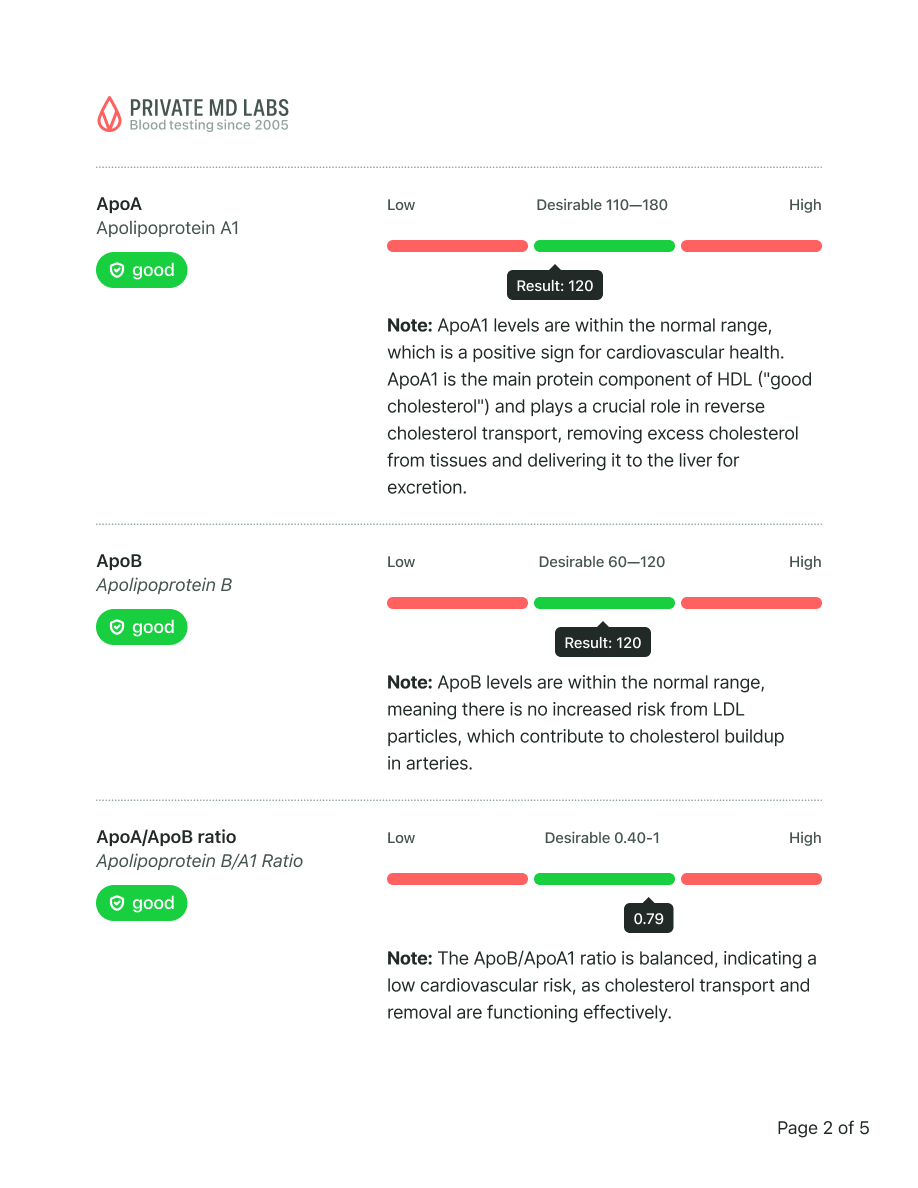
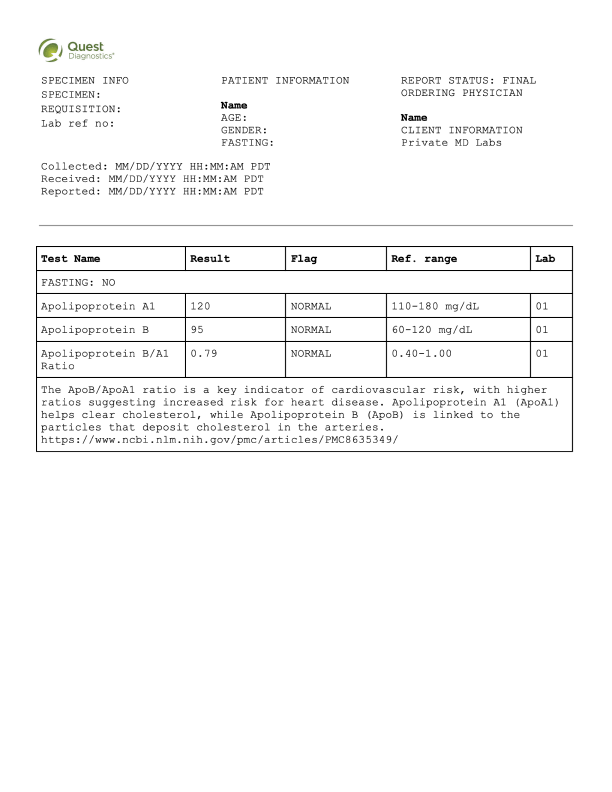
Sample results
Behcet's Disease is a rare chronic inflammatory disorder that causes blood vessel inflammation throughout the body. It is caused by an autoimmune response where the immune system mistakenly attacks blood vessels, with genetic susceptibility linked to the HLA-B51 biomarker. The Cardiolipin Antibodies (IgA, IgG, IgM) test is the most important test for assessing vascular involvement and disease activity in Behcet's Disease.
Behcet's Disease is caused by an autoimmune response where your immune system mistakenly attacks and inflames blood vessels throughout your body. While the exact trigger remains unclear, the condition has a strong genetic component, particularly in people who carry the HLA-B51 or HLA-B5 genetic marker. Environmental factors like viral or bacterial infections may also trigger the disease in people who are genetically predisposed.
The Cardiolipin Antibodies (IgA, IgG, IgM) test is the most important blood test for Behcet's Disease because it detects antibodies associated with vascular involvement and helps assess disease activity. The HLA-A, B, C, DRB1 and DQ High Resolution genetic test is also essential as it identifies the HLA-B51 marker, which indicates increased genetic susceptibility to the condition. Additional tests like Interleukin 17 Serum can measure inflammatory activity, while ASCA antibody tests help identify intestinal involvement. These tests work together to provide a comprehensive picture of disease activity and complications.
You should get tested if you experience recurring mouth sores combined with other symptoms like genital ulcers, eye inflammation, or unusual skin rashes. Testing is also important if you have a family history of Behcet's Disease or are of Mediterranean, Middle Eastern, or East Asian descent and develop unexplained inflammatory symptoms. If you notice painful sores that keep coming back, vision problems, joint pain, or blood clots without obvious cause, these could be warning signs that warrant testing.
What this means
Your testosterone levels are slightly below the optimal range. While this is not necessarily cause for concern, it may contribute to occasional fatigue, reduced motivation, or lower muscle mass over time.
Recommended actions
Increase resistance or strength training
Prioritize 7–8 hours of quality sleep per night, try to reduce stress
Include more zinc- and magnesium-rich foods (like shellfish, beef, pumpkin seeds, spinach)
Consider retesting in 3–6 months
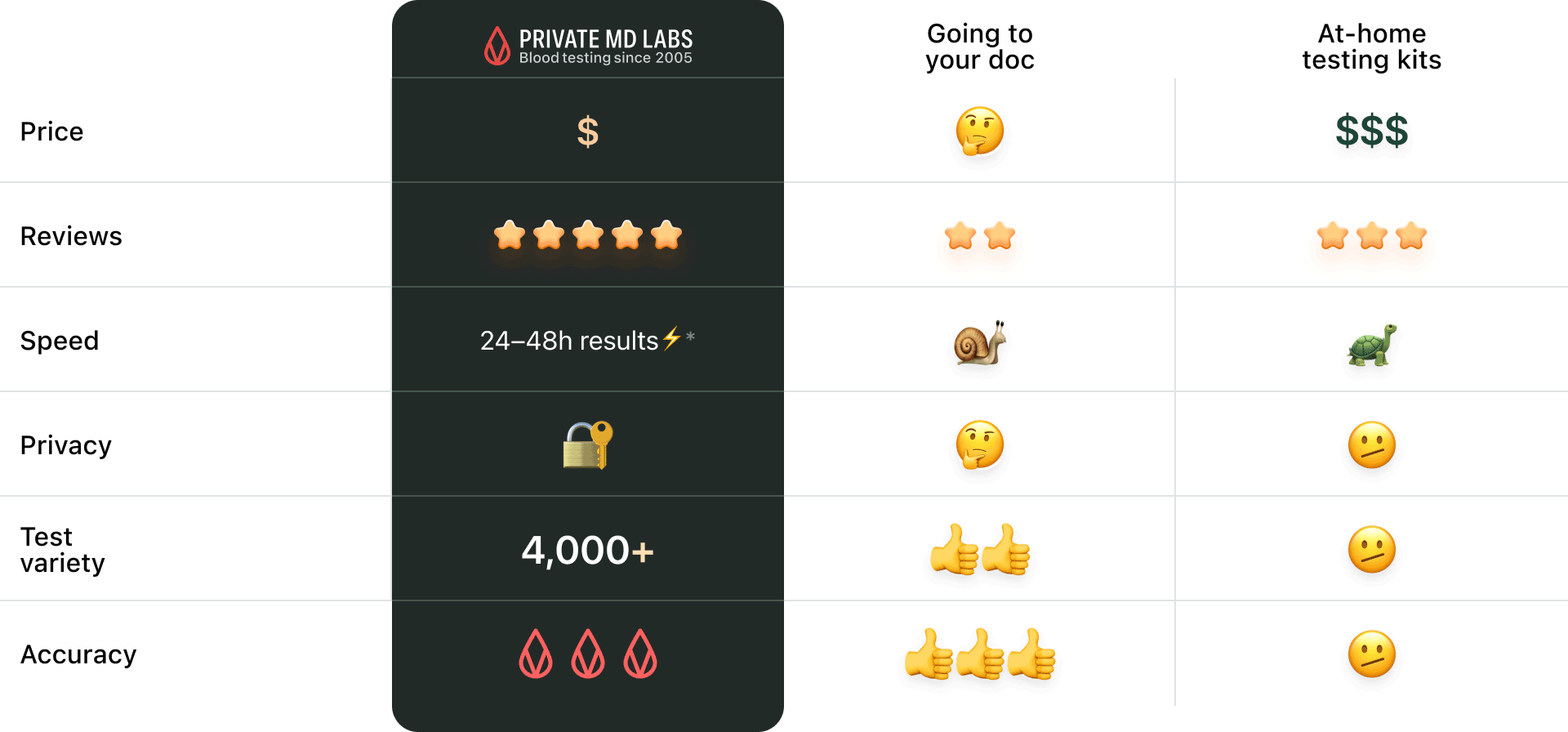
Not overhyped or overpriced. Just comprehensive blood testing made simple and for everyone.
Sample results
Your 24/7 Lab Guide
Quick questions: