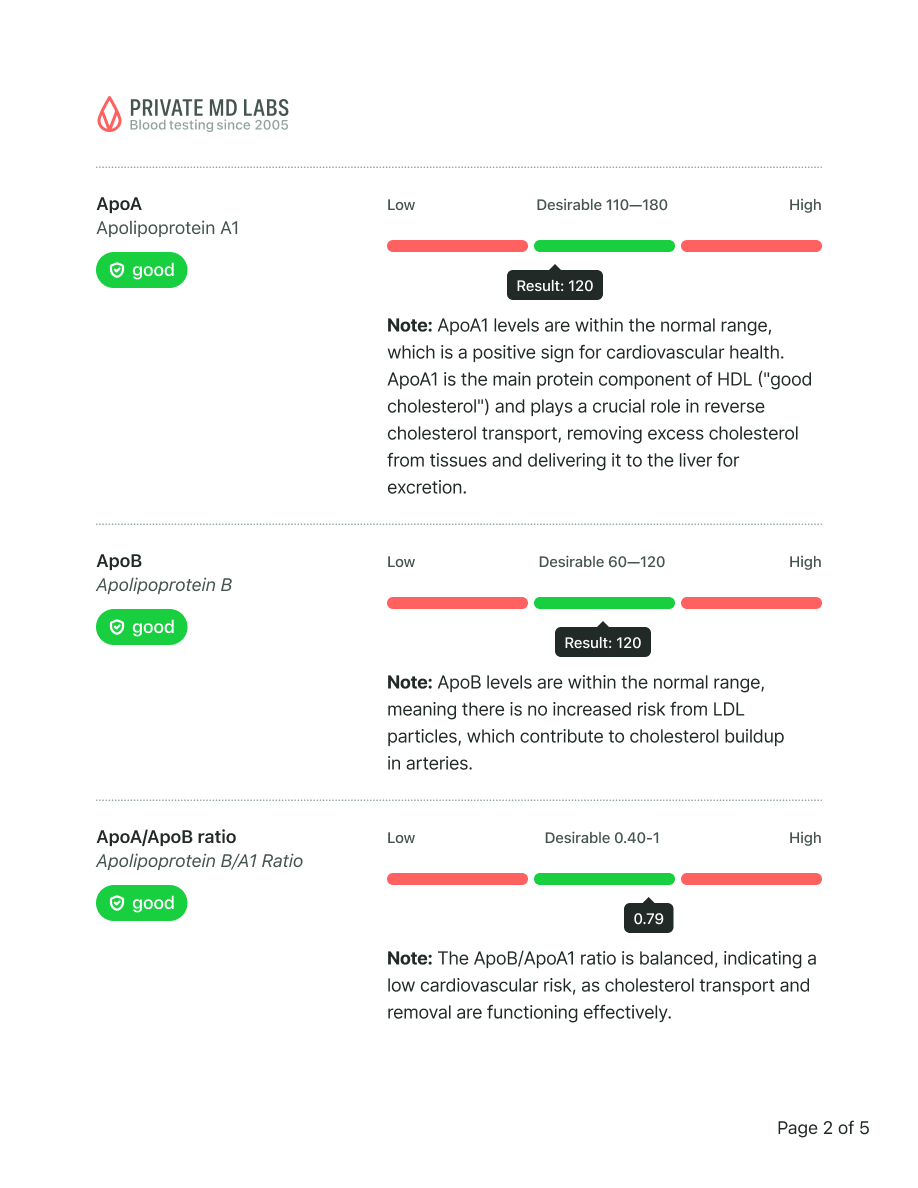
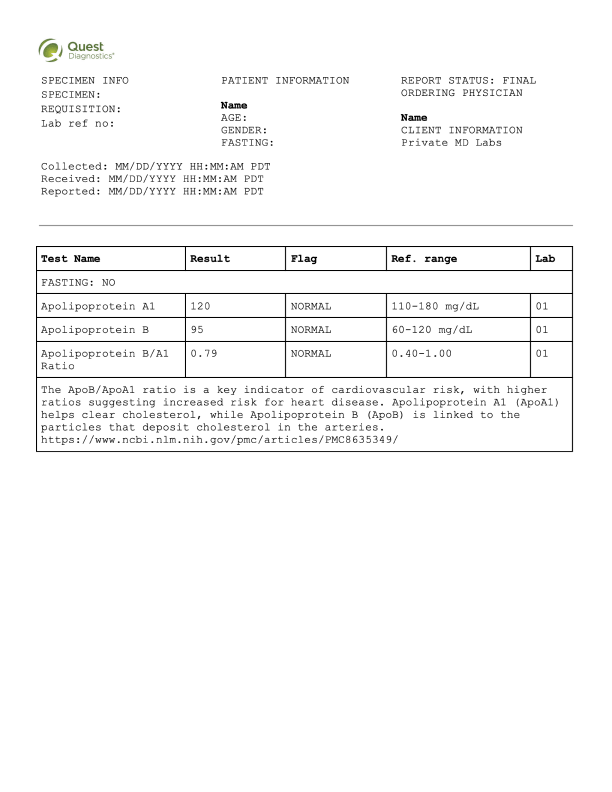
Sample results
Bartter syndrome is a rare inherited kidney disorder that prevents the kidneys from properly reabsorbing salt, leading to severe electrolyte imbalances. It is caused by genetic mutations affecting specific proteins in the kidney tubules that normally reabsorb sodium, potassium, and chloride. The Aldosterone/Plasma Renin Activity Ratio test is the most important test for diagnosis because it reveals the characteristic elevated renin and aldosterone hormone pattern.
Bartter syndrome is caused by inherited genetic mutations that affect specific proteins in the kidney tubules, particularly those in the thick ascending loop of Henle. These mutations disrupt the sodium-potassium-chloride cotransporter and related channels that normally reabsorb salt from urine back into the bloodstream. When these proteins malfunction, the kidneys lose excessive amounts of salt, potassium, and other electrolytes, triggering compensatory mechanisms that raise renin and aldosterone hormone levels despite normal blood pressure.
The Aldosterone/Plasma Renin Activity Ratio test is the most important test for Bartter syndrome because it detects the characteristic hormone pattern of elevated plasma renin activity and high aldosterone levels that occur when kidneys cannot properly reabsorb salt. This test uses advanced LC/MS/MS technology to measure both hormones simultaneously, providing the crucial diagnostic information needed to distinguish Bartter syndrome from other electrolyte disorders. Your doctor will also check your potassium levels and may order additional tests to measure urinary electrolyte excretion and assess kidney function.
You should get tested if you experience unexplained muscle weakness, excessive thirst and urination, salt cravings, or growth delays in children. Testing is especially important if you have persistent low potassium levels that do not respond well to supplements, or if there is a family history of kidney disorders. Early diagnosis is critical because untreated Bartter syndrome can lead to serious complications including kidney damage and developmental problems in children.
What this means
Your testosterone levels are slightly below the optimal range. While this is not necessarily cause for concern, it may contribute to occasional fatigue, reduced motivation, or lower muscle mass over time.
Recommended actions
Increase resistance or strength training
Prioritize 7–8 hours of quality sleep per night, try to reduce stress
Include more zinc- and magnesium-rich foods (like shellfish, beef, pumpkin seeds, spinach)
Consider retesting in 3–6 months
Not overhyped or overpriced. Just comprehensive blood testing made simple and for everyone.
Sample results
Your 24/7 Lab Guide
Quick questions: