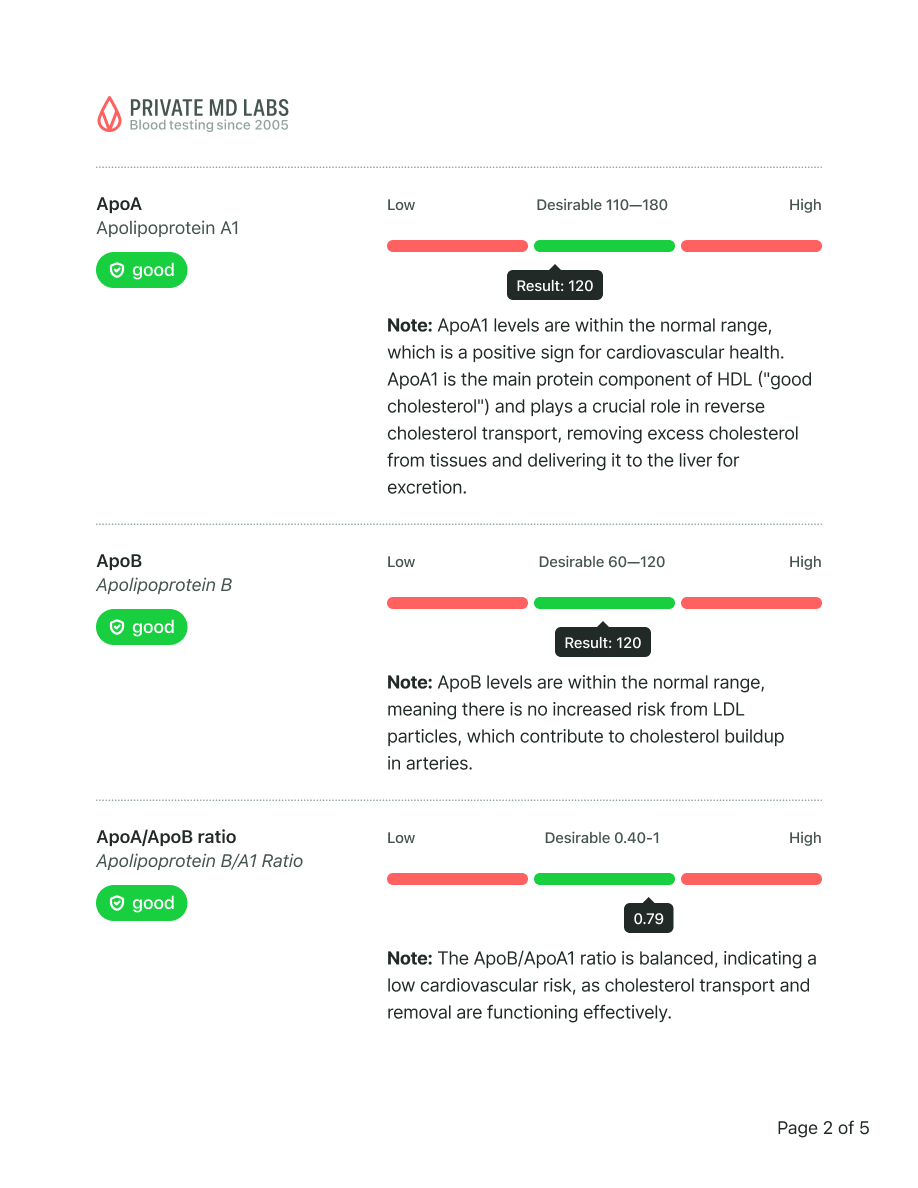
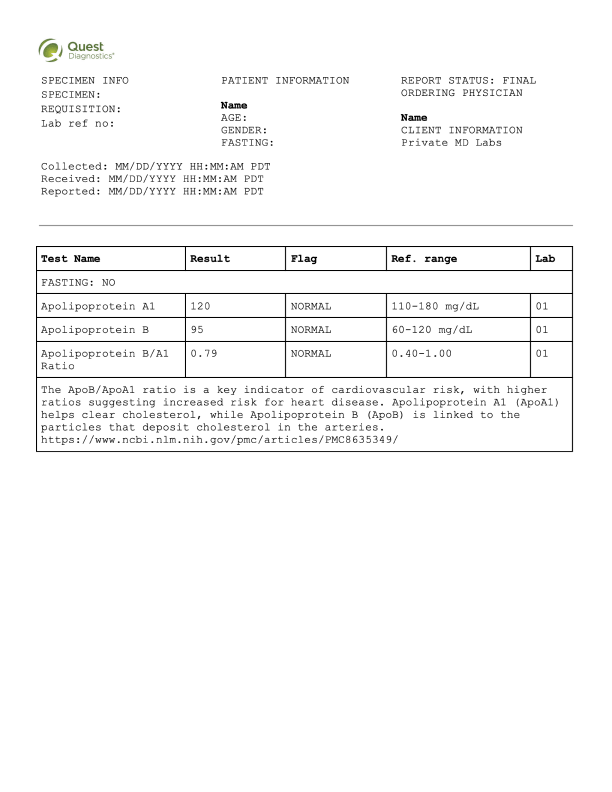
Sample results
Bacterial infection occurs when harmful bacteria invade the body and multiply, causing illness and triggering an immune response. It is caused by pathogenic bacteria such as Staphylococcus aureus, Streptococcus pneumoniae, Escherichia coli, and other bacterial species that overwhelm the body's natural defenses. The Complete Blood Count (CBC) with Differential is the most important test for diagnosis because it measures white blood cell levels and neutrophil counts that elevate in response to bacterial invasion.
Bacterial infections are caused by pathogenic bacteria such as Staphylococcus aureus, Streptococcus pneumoniae, Escherichia coli, Salmonella, and many other harmful bacterial species. These bacteria enter the body through breaks in the skin, inhalation, contaminated food or water, or contact with infected surfaces and begin multiplying rapidly. Once inside, they release toxins and trigger inflammation as your immune system responds by sending white blood cells to fight the invaders, which causes the symptoms you experience like fever, pain, and swelling.
The Complete Blood Count (CBC) with Differential is the most important test for bacterial infection because it measures your white blood cell count and provides a detailed breakdown of different white blood cell types, particularly neutrophils. Neutrophils are the first responders to bacterial infections, and elevated levels strongly indicate your body is fighting bacteria rather than a virus. The White Blood Cell Count (WBC) test is also essential as it measures the total number of infection-fighting cells in your bloodstream. These tests together help doctors distinguish bacterial infections from viral infections and determine whether antibiotic treatment is necessary.
You should get tested if you have a fever lasting more than two days, especially if accompanied by chills, body aches, or fatigue that isn't improving. Other signs include persistent cough with colored mucus, painful urination, severe sore throat with white patches, infected wounds with pus or red streaks, or symptoms that worsen instead of improving after several days. Getting tested early helps determine whether you need antibiotics and prevents complications from untreated bacterial infections.
What this means
Your testosterone levels are slightly below the optimal range. While this is not necessarily cause for concern, it may contribute to occasional fatigue, reduced motivation, or lower muscle mass over time.
Recommended actions
Increase resistance or strength training
Prioritize 7–8 hours of quality sleep per night, try to reduce stress
Include more zinc- and magnesium-rich foods (like shellfish, beef, pumpkin seeds, spinach)
Consider retesting in 3–6 months
Not overhyped or overpriced. Just comprehensive blood testing made simple and for everyone.
Sample results
Your 24/7 Lab Guide
Quick questions: